
Why do the Maldives have more males than females? 🌴
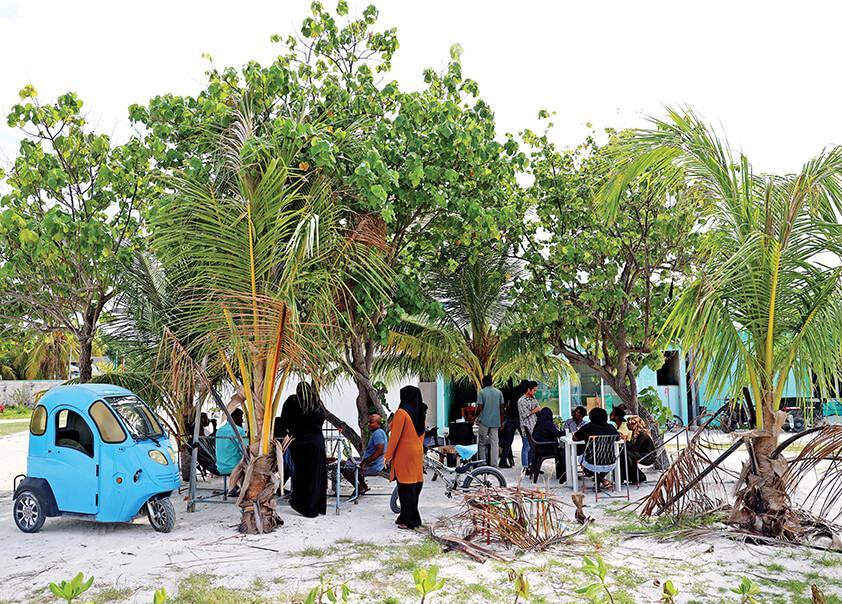
The Maldives has a higher number of males than females primarily due to the large influx of male expatriate workers. While the ratio among the Maldivian citizen population is relatively balanced, the presence of a significant foreign male workforce drives the overall national sex ratio disproportionately high.
Why do the Maldives have more males than females? 🌴
The demographic structure of the Maldives, an archipelagic nation famous for its luxury tourism, features an unusual sex ratio heavily skewed towards males. According to the 2022 census, the Maldives had an overall sex ratio of 103 males per 100 females among the total resident population. However, projections have shown the ratio can be much higher due to the foreign worker population. This disparity is not a result of natural birth rates or high female mortality but rather a direct consequence of labor migration patterns.
The Role of Foreign Labor Migration
The most significant factor contributing to the male-heavy population is the large number of foreign workers who migrate to the Maldives for employment.
-
Dominance in Labor-Intensive Sectors: The Maldives' economy relies heavily on two sectors: tourism and construction. These industries typically require a substantial workforce for manual labor, which is predominantly filled by male expatriates from South Asian countries like Bangladesh and India.
-
Male-Dominated Workforce: The vast majority of these migrant workers are men who arrive without their families, creating a significant surplus of males in the country's total population count.
-
Foreign Population Sex Ratio: Data from the 2022 census clearly illustrates this, showing that among the foreign resident population, there were approximately 7.8 males for every 1 female (117,432 males to 15,061 females). This drastic imbalance among foreign residents drives the national figure up.
Sex Ratio Among Maldivian Citizens
When the foreign population is excluded, the sex ratio among only Maldivian citizens is much more balanced, reflecting a typical natural distribution.
-
Near Parity: The sex ratio for Maldivian citizens alone stood at approximately 103 males for every 100 females in the 2022 census (194,562 males to 188,077 females). This indicates that the natural demographic trends within the local population are healthy and stable.
-
Improved Survival: Historically, the ratio has trended towards greater parity, suggesting improvements in women's survival chances, likely linked to declines in infant and maternal mortality rates over the decades.
Regional Variations: Male' vs. The Atolls
The uneven distribution of the population and labor opportunities within the Maldives also creates significant regional disparities in the sex ratio.
-
High Concentration in Capital: The capital city, Male', is the administrative and economic hub, attracting both internal migrants (Maldivian citizens from other islands) and the majority of the foreign workforce. Consequently, Male' Atoll typically records a much higher male-to-female ratio due to the concentration of male labor.
-
Females in Atolls: Conversely, many of the smaller, outer atolls often exhibit a sex ratio that favors females. This is primarily due to the out-migration of Maldivian males who leave their home islands to seek better employment opportunities, education, or specialized services available in Male' or other major industrial centers.
In summary, the high sex ratio in the Maldives is a demographic artifact of its economic model, which demands a large, predominantly male, migrant labor force for its critical industries, rather than a reflection of deep-seated gender disparities in birth or survival rates within the native Maldivian community.
Would you like to know more about the economic sectors where these foreign workers are predominantly employed?

Categories
Read More
The Maldives – a name synonymous with pristine beaches, luxurious overwater bungalows, and an underwater world teeming with vibrant marine life. This idyllic archipelago consistently tops the list for dream vacations, but a common question arises for many aspiring travelers: Where is the Maldives located? Understanding its geographical placement is key to appreciating its unique...
The Maldives has a higher number of males than females primarily due to the large influx of male expatriate workers. While the ratio among the Maldivian citizen population is relatively balanced, the presence of a significant foreign male workforce drives the overall national sex ratio disproportionately high. Why do the Maldives have more males than females? 🌴 The demographic structure of...